
These popular topics are heating up. Explore today's most viewed pages.
Feeling itchy yet?
Us, too.
You can't always avoid these tiny tricksters when you have the same taste in scenery, so we've compiled a non-exhaustive list of some good-to-know things about tick safety and prevention.
Before we get into it, please remember that information is power. 💪 The more you know (even if it's creepy!), the better you can protect yourself and those you care about.
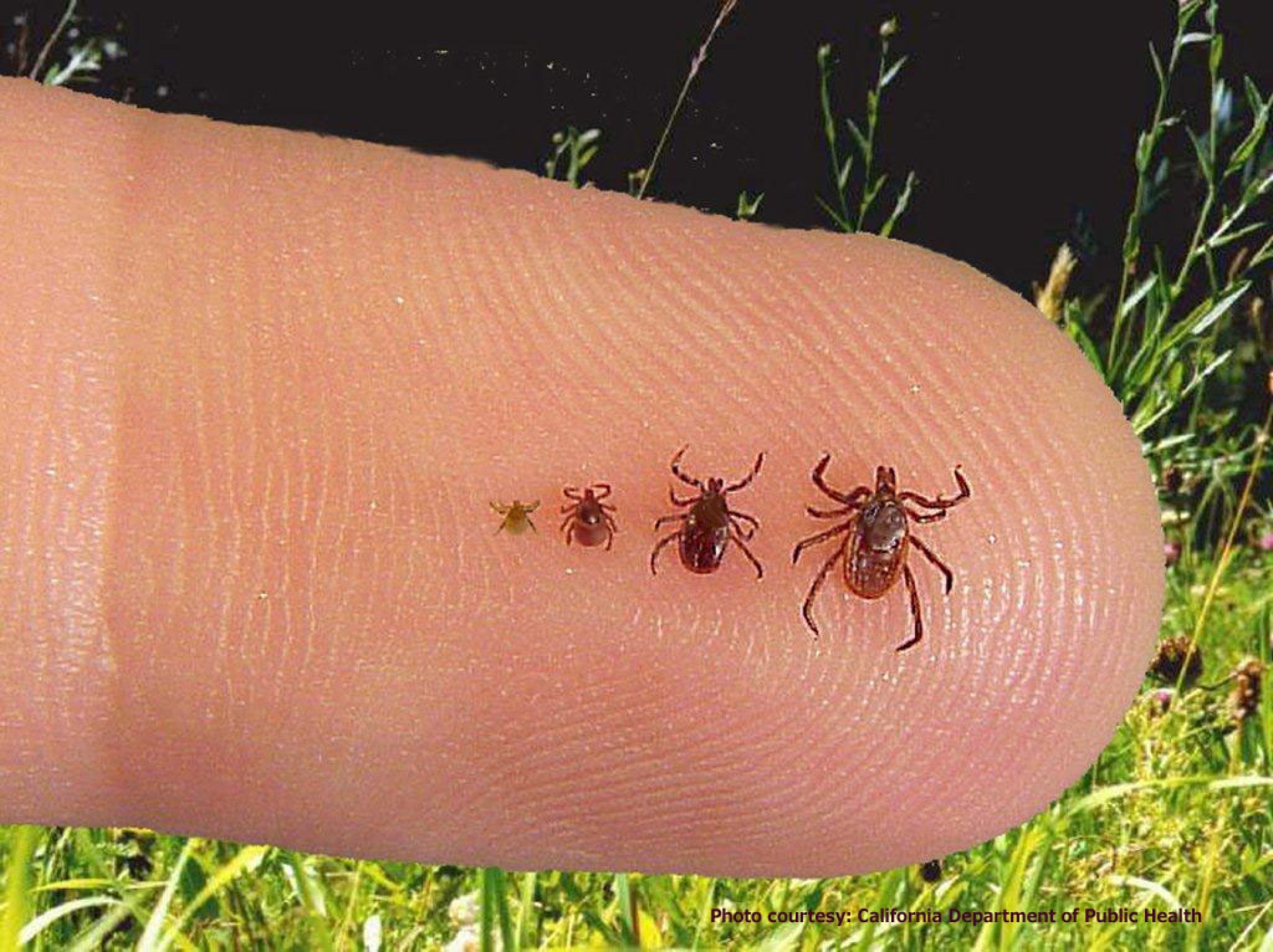
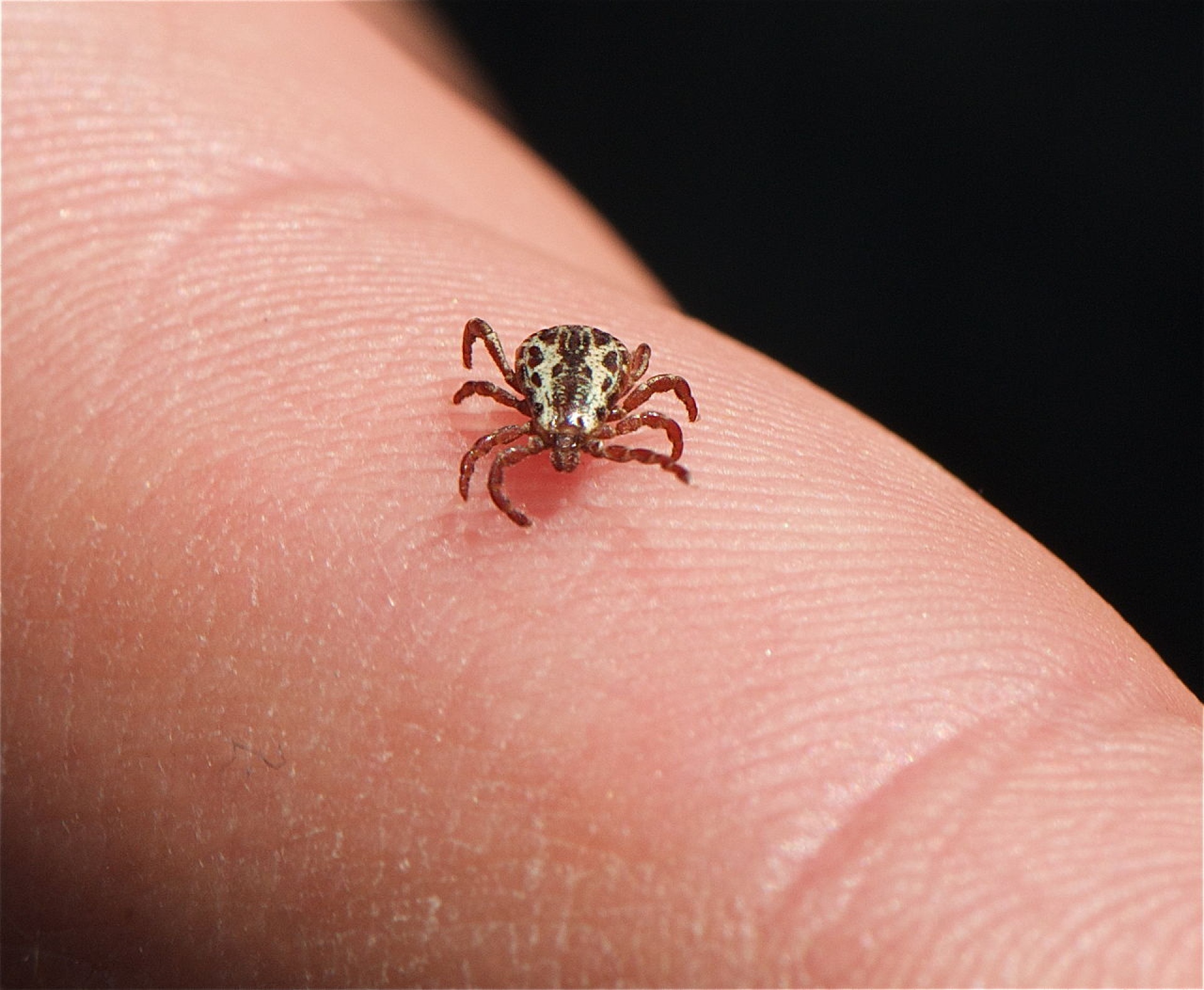
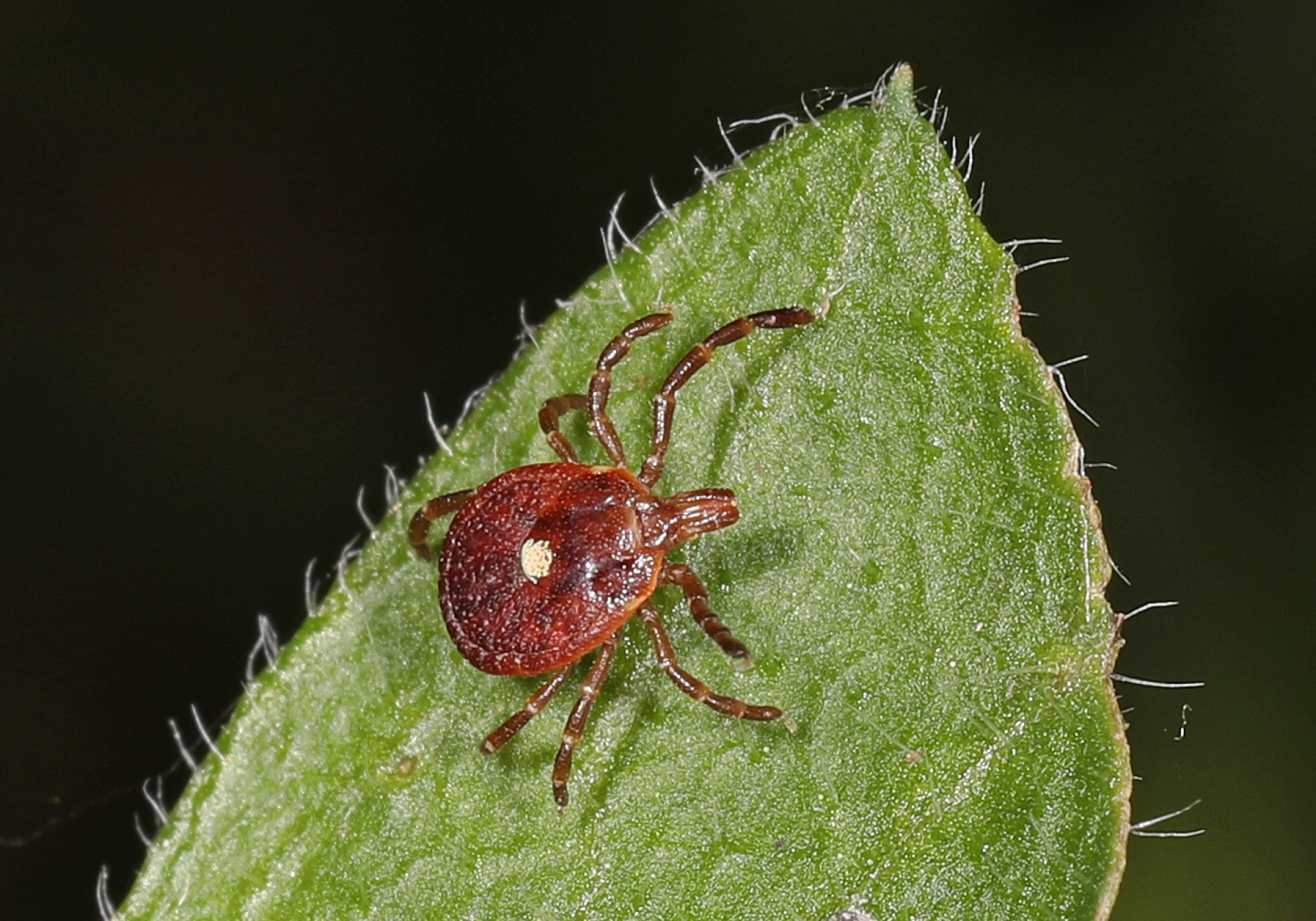
🕷️ The tick species present in our area include American Dog Tick, Brown Dog Tick, Blacklegged/Deer Tick, and the Lone Star Tick.
🕷️ Only blacklegged/deer ticks carry Lyme disease. However, this doesn't mean you're in the clear if it isn't a deer tick, as all of the species in our area can transmit a variety of diseases.
🕷️ Adult male and female ticks, as well as their larvae and nymph forms, all look different. Fun!
🕷️ Adult females and nymphs are most likely to bite humans.
🕷️ Ticks tend to prefer shady, moist, forested areas, or areas with tall grass. But, before you get too comfortable: If you are outside in a natural environment, even in your backyard, chances are they are there, too.
Ok, enough! 😱 What do I do with all of this information? Never go outside again? Live in a bubble? Move my family to the concrete jungle?
Omg, please don't do that! 😭
If you have experienced a tick bite before or contracted a vector-borne disease, you have a pretty good understanding of the risks these little suckers pose to us (wildlife and pets are at risk, too). But that doesn't mean you can't still enjoy beautiful natural spaces. It just means there are some extra precautions you should take.
✔️ With more variable and warmer weather year-round, tick protection is important to be thinking about in any season.
✔️ Physical barriers that help protect you from ticks include enclosed shoes, long socks, pants, long sleeves, and a hat. Lighter colored clothing will help you spot any hitchhikers as well.
🚨 Fashion alert 🚨 Tucking your pants into your socks might not get you on the cover of Vogue, but it could prevent a potentially debilitating vector-borne disease!
✔️ Repellants containing DEET and Picaridin, when used as instructed, are effective at deterring ticks and deemed safe by the EPA. Plant-based repellents, including PMD and Oil of Lemon Eucalyptus (OLE) can also be effective, but are not safe for children ages three or younger according to the CDC.
✔️ Various natural/essential oils may be effective at repelling ticks, but are generally short-lasting, and many have not been tested for safety. Some may be toxic to pets or children.
✔️ Permethrin can be used to treat clothing, footwear, and even camping gear for upwards of two weeks, but it is not safe to use directly on skin and is highly toxic to cats. Unlike DEET or Picaridin, Permethrin will kill ticks. If you have both a cat and a dog at home, please keep in mind that some tick treatments for dogs contain permethrin.
✔️ The risk of developing an illness from a tick that was removed within a few hours of attachment is very low, which is why frequent tick checks are so important.
💪 Try not to panic. Easier said than done, we know. Start by taking some deep breaths.
💪 If the tick is attached, grab some tweezers, place them as close to the skin as possible, and pull straight out with steady pressure. Do not wait to see a doctor before removing a tick, as delaying its removal increases the risk of disease transmission. Contain the tick and clean the bite area and your hands.
💪 Assess: Can you identify the tick? Is it engorged? Are there any more? Tick ID tip: If taking a detailed photo is proving tricky, try capturing a video instead.
💪 Dispose of the tick by flushing it down the toilet or placing it in a sealed container, such as a plastic sandwich bag or tape, and throwing it away.
💪 OR engage in some citizen science and local tick research and send your tick into UNMC's NeTT laboratory: https://www.unmc.edu/publichealth/cscash/nebraska-tick-testing/index.html
💪 Monitor for symptoms over the next several weeks. If you experience irritation at the bite site, a fever, or a rash, see a healthcare provider and let them know you were bitten by a tick.
There's so much to know and share about ticks. What are your tips or questions?